

In the modern industrial landscape, data is the new currency. From sprawling petrochemical refineries and municipal water grids to precision agricultural farms, the mandate is clear: improve efficiency, minimize waste, and eliminate the crippling costs of unplanned downtime. While headlines often focus on artificial intelligence or robotics, a quiet technological revolution is occurring at the foundation of these operations, driven by the rapid evolution of the modern level sensor.
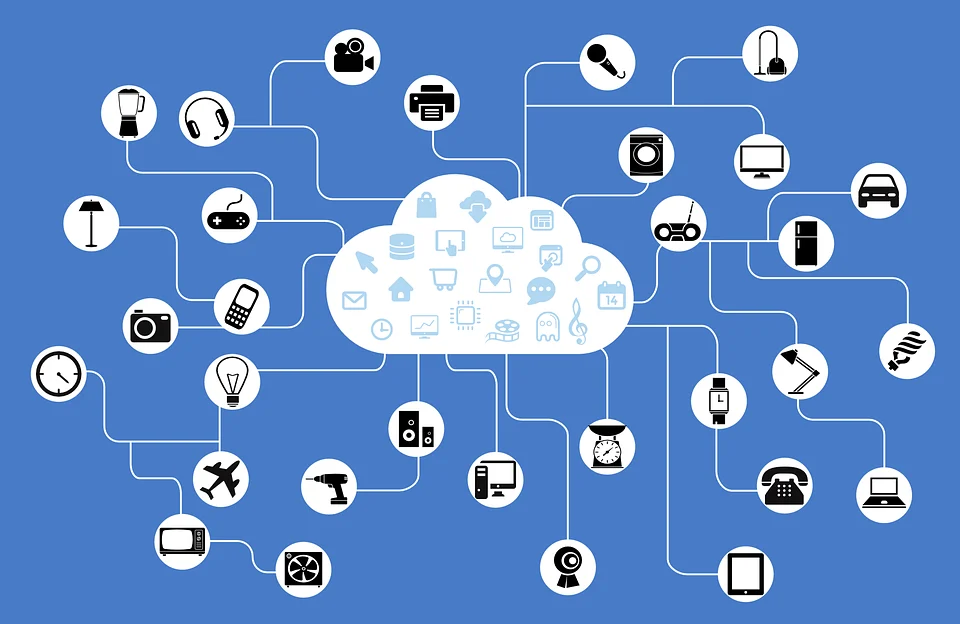
No longer just a simple mechanical float or a dipstick, the modern level sensor has transformed into a critical node within the Industrial Internet of Things (IIoT). By integrating sensing hardware with cloud-based analytics, these devices are turning physical assets—storage tanks, silos, and reservoirs—into active, communicative participants in the industrial supply chain.
The Evolution of Inventory Management: A Chronology
For decades, the standard for liquid and bulk material management was defined by "manual inspection." This legacy model relied on human intervention, where technicians were dispatched to physically verify inventory levels.
- The Manual Era (1950s–2000s): This period was defined by reactive operations. Inventory was managed through periodic manual rounds. The shortcomings were significant: reports were delayed, human error led to inaccurate measurements, and personnel were frequently exposed to hazardous environments.
- The Transition Period (2010–2018): As cellular and satellite connectivity became more affordable, early adopters began installing proprietary wired sensors. While an improvement, these systems were often siloed, expensive to install, and lacked the analytical depth required for predictive insights.
- The IIoT Explosion (2019–Present): The convergence of low-power wide-area networks (LPWAN) like LoRaWAN and NB-IoT, coupled with cloud-native dashboarding, triggered a paradigm shift. Monitoring moved from a "local task" to a "centralized oversight" model. Today, we are seeing the rise of autonomous monitoring, where sensors trigger automated replenishment orders and predictive maintenance alerts without human input.
Core Pillars of Smart Level Monitoring
Smart level monitoring is defined by its ability to move beyond mere measurement. A modern IoT-enabled level sensor acts as a gateway to operational intelligence. By utilizing a combination of sensing hardware (radar, ultrasonic, pressure) and robust wireless communication, these systems provide a continuous stream of actionable data.
Key Functional Capabilities
- Real-Time Inventory Visibility: Operators can monitor tank levels from a smartphone or control room, eliminating the "unknowns" that lead to stockouts.
- Automated Alerting: Systems are configured with thresholds that trigger instant notifications for high/low levels, preventing overflows or dry-runs.
- Historical Trend Analysis: Cloud platforms store data over time, allowing businesses to analyze consumption patterns and optimize delivery logistics.
- Predictive Maintenance: By correlating level changes with pump or motor performance, the system can flag potential equipment failures before they manifest as critical outages.
Supporting Data: Why Industries are Migrating
The economic imperative for this shift is rooted in the high cost of inefficiency. In the oil and gas sector, a single tank overflow can result in massive environmental fines and hazardous cleanup operations. In manufacturing, a "run-out" of a critical chemical reagent can halt an entire production line, costing thousands of dollars per minute in lost output.
Industry studies suggest that organizations utilizing remote monitoring reduce their operational expenditure (OpEx) related to site inspections by 30% to 40% annually. By shifting to an "as-needed" delivery model—where suppliers only replenish tanks based on real-time sensor data—logistics costs are slashed, and the carbon footprint of transport fleets is significantly reduced.
Sector-Specific Implications
Municipal Water Management: A Case Study in Reliability
Water utilities have been the most aggressive adopters of this technology. Historically, managing geographically dispersed infrastructure like pumping stations and remote reservoirs was a logistical nightmare. Today, IoT-enabled sensors provide municipal managers with a "single pane of glass" view of the entire distribution network. In flood-prone regions, these sensors act as early warning systems, transmitting data in real-time to allow for proactive flood mitigation, potentially saving millions in infrastructure damage.
The Oil & Gas Paradigm
In the energy sector, safety is the paramount concern. Remote monitoring removes the need for personnel to enter high-risk areas for routine checks. Furthermore, these sensors serve as a critical component in environmental stewardship, providing 24/7 leak detection capabilities that ensure regulatory compliance and prevent ecological disasters.
Technological Advancements: The Rise of Radar and Ultrasonic Sensors
As the demand for precision grows, the industry has pivoted away from mechanical float-based systems toward non-contact measurement.
- Radar-Based Level Sensors: Utilizing high-frequency radio waves, radar sensors are unaffected by temperature, pressure, or vapor. They offer millimeter-level accuracy, making them the gold standard for chemical storage and complex industrial processing.
- Ultrasonic Sensors: These sensors use sound pulses to calculate distance. They remain a preferred choice for liquid applications where cost-efficiency and ease of installation are priorities, particularly in wastewater treatment where contact with the media is undesirable.
These non-contact technologies are inherently more durable, as they are not subject to the wear and tear associated with moving parts, leading to longer service lives and reduced maintenance frequency.
Challenges and Official Industry Outlook
Despite the clear benefits, the path to universal adoption is not without friction. Industry experts frequently cite three primary hurdles:
- Cybersecurity: As infrastructure becomes connected, the "attack surface" increases. Manufacturers are responding by implementing end-to-end encryption and secure hardware-based authentication.
- Connectivity Gaps: In deep rural or subterranean environments, signal penetration remains a challenge. The industry is currently addressing this through mesh networking and satellite-linked gateways.
- Integration Debt: Many facilities are burdened with "legacy" equipment that does not "speak" the language of modern IoT. The rise of edge computing—where small, localized devices translate old protocols into cloud-ready data—is bridging this divide.
The Future: Toward Autonomous Industrial Operations
The trajectory of the industry is clearly toward autonomy. We are entering an era where level sensors will no longer simply report current status; they will become part of a self-optimizing ecosystem.
Looking forward, artificial intelligence (AI) will be integrated directly into the sensor firmware. This "edge intelligence" will allow systems to make local decisions, such as automatically adjusting pump speeds based on predicted demand or identifying anomalous behavior that suggests a tank wall breach.
Sustainability will also continue to be a primary driver. As corporations face stricter ESG (Environmental, Social, and Governance) mandates, the ability of IoT sensors to prevent leaks, reduce energy consumption in pumping systems, and optimize resource usage will make them a standard feature of any "Green Industrial" initiative.
Conclusion
The transformation of the level sensor from a simple analog gauge to an intelligent, connected IoT device is one of the most impactful developments in modern industrial engineering. By providing the visibility required to make data-driven decisions, these sensors have become the nervous system of the modern industrial facility.
For organizations looking to remain competitive in an increasingly volatile global market, the message is clear: the era of manual, reactive inspection is ending. Companies that embrace smart, sensor-driven monitoring today are building the resilient, efficient, and sustainable operations of tomorrow. As the technology continues to mature, those who integrate these systems will not only survive the transition—they will define the new standard of industrial excellence.